Blog

How Local Broadcasters Can Use AI Without Losing Audience Trust

Artificial intelligence is rapidly changing the media landscape. From automated transcription and content recommendations to newsroom research tools and generative AI, broadcasters are discovering new ways to use technology to work more efficiently and serve their audiences. For local broadcasters, however, adopting AI comes with an important responsibility: protecting audience trust. Local television and radio stations have a unique relationship with their communities. Audiences often turn to local broadcasters for information about breaking news, severe weather, elections, public safety, schools, businesses, and events happening close to home. That relationship is built over time through accuracy, transparency, and accountability. As artificial intelligence becomes part of the broadcasting workflow, the question is not simply, “How can broadcasters use AI?” It is also, “How can broadcasters use AI responsibly?” In this guide, hosted by the PA Association of Broadcasters, we explore how local broadcasters can take advantage of AI while maintaining the credibility and human connection that audiences value. Why Audience Trust Matters for Local Broadcasters Trust is one of the most important assets a local broadcaster has. National media organizations may reach millions of people, but local broadcasters often serve a specific community. Their audiences may recognize the voices of their reporters, anchors, hosts, and meteorologists. They may rely on the station during a storm, a local emergency, or a major community event. That familiarity creates an important responsibility. When an audience believes a broadcaster is accurate, transparent, and committed to serving the community, it is more likely to continue turning to that broadcaster for information. AI can support that mission, but it should not undermine it. The technology should help broadcasters do their jobs better—not make audiences question whether the information they receive is accurate, authentic, or created without proper oversight. Use AI as a Tool, Not a Replacement for Journalism One of the most important principles for responsible AI adoption is simple: AI should support journalists and broadcasters rather than replace editorial judgment. AI can help with tasks such as: Transcribing interviews Organizing research Summarizing lengthy documents Generating story ideas Identifying trends in large amounts of data Translating content Creating initial drafts or outlines Automating repetitive administrative work These tools can save time and allow journalists to focus more on reporting, interviewing, verification, storytelling, and community engagement. However, AI-generated information should not automatically be treated as accurate. AI systems can make mistakes, misunderstand context, or produce information that sounds convincing but is incorrect. Human oversight remains essential. A reporter or editor should review AI-assisted work before it is published or broadcast, especially when the content involves breaking news, public safety, health, elections, legal matters, or other high-impact topics. Be Transparent About How AI Is Used Audience trust is strengthened by transparency. Local broadcasters do not necessarily need to explain every minor use of technology, but they should consider establishing clear guidelines for when audiences should be informed that AI played a meaningful role in creating or presenting content. For example, transparency may be appropriate when: An image or video has been significantly generated or altered by AI A synthetic voice is used An AI-generated avatar or presenter appears on screen AI has substantially contributed to a published story Automated systems generate content that could reasonably be mistaken for human-created material Clear labeling can help audiences understand what they are seeing or hearing. The goal is not to make AI seem alarming. Instead, transparency demonstrates that the broadcaster is confident enough in its practices to explain them. Protect Accuracy With Human Verification AI can process information quickly, but speed is not the same as accuracy. Local broadcasters should maintain verification standards for AI-assisted content just as they would for any other information used in a broadcast or digital publication. That may include: Checking facts against reliable sources. Confirming names, dates, locations, and numbers. Reviewing AI-generated summaries against original documents. Verifying quotes and transcripts. Confirming that images and video accurately represent the events they claim to show. Having an editor or qualified staff member review high-impact content. This is particularly important during breaking news situations, when inaccurate information can spread rapidly. AI may help organize information during a developing story, but journalists remain responsible for determining what is verified and ready for the audience. Be Careful With Synthetic Media One of the biggest challenges created by generative AI is the ability to produce realistic audio, video, and images. For broadcasters, synthetic media can be useful in certain creative and production contexts. At the same time, audiences may have difficulty distinguishing between authentic footage and AI-generated material. This creates a significant risk of confusion. Local broadcasters should consider clear internal policies for identifying, reviewing, and labeling synthetic media. Any AI-generated or substantially altered content should be handled carefully, particularly when it depicts real people, public officials, community leaders, or real-world events. A useful question to ask is: Could a reasonable audience member mistake this content for authentic, real-world footage? If the answer is yes, additional disclosure or labeling may be appropriate. Protect Personal and Confidential Information AI tools can create privacy and security concerns. Broadcasters may work with sensitive information, including unpublished interviews, personal contact information, internal documents, source information, and materials related to ongoing investigations. Before entering information into an AI system, broadcasters should understand how that tool handles data. Important questions may include: Is the information stored? Is it used to train the system? Who can access the information? Does the tool meet the organization's security requirements? Are there restrictions on uploading confidential or personally identifiable information? Establishing clear rules for what employees can and cannot enter into AI tools can help reduce unnecessary risks. A strong AI policy should address privacy and data security as well as content creation. Maintain the Human Connection Local broadcasting is about more than delivering information. It is also about community connection. Audiences value the human voices and personalities they recognize. Reporters attend local events, interview community members, respond to local concerns, and bring context to stories that automated systems cannot fully understand. AI can assist with the mechanics of content production, but it should not eliminate the human perspective that makes local broadcasting valuable. For example, AI might help a newsroom organize information about a local issue. A reporter can then spend more time talking to residents, attending meetings, asking questions, and adding meaningful context. In this way, AI can potentially give journalists more time to do the work audiences value most. Create Clear Internal AI Policies Every local broadcaster should consider developing clear guidelines for the responsible use of AI. A policy might address: Which AI tools employees are permitted to use What types of information may be entered into AI systems When human review is required How AI-generated or AI-assisted content should be labeled Rules for synthetic audio, video, and images Copyright and intellectual property considerations Accuracy and fact-checking requirements Security and privacy expectations The policy does not need to be complicated. In fact, clear and practical guidelines may be more effective than a long document that employees find difficult to follow. AI policies should also evolve as technology changes. Train Employees Across the Organization Responsible AI adoption requires more than purchasing software. Employees need to understand both the capabilities and limitations of the tools they use. Training can help staff learn: How AI systems generate content Why AI tools can produce inaccurate information How to identify potential errors How to protect confidential data When disclosure may be appropriate How to review AI-generated content How to use AI ethically and efficiently Training should not be limited to newsroom employees. Engineering, production, sales, marketing, management, and administrative teams may all interact with AI tools in different ways. A shared understanding can help create a consistent approach across the organization. Listen to the Audience Trust is not a one-time achievement. It is an ongoing relationship. Local broadcasters should pay attention to how their audiences respond to AI-related changes. If a station introduces AI-assisted features, it may be useful to explain the purpose of the technology and invite feedback. Audiences may have questions such as: Was this content created by a person? Was AI used to generate this image? How was this information verified? Why is the station using AI? What safeguards are in place? Answering these questions openly can help reduce uncertainty. In many cases, people are less concerned about the existence of AI than they are about whether organizations are using it secretly or irresponsibly. The Future of AI in Local Broadcasting AI will likely continue to become part of the broadcasting environment. The technology may help local broadcasters automate routine tasks, analyze information, personalize digital experiences, improve accessibility, and support content production. But the most successful broadcasters will likely be those that combine technology with strong editorial standards and a clear commitment to their communities. AI can make certain processes faster. It can help teams manage large amounts of information. It can support creativity and efficiency. What it cannot replace is the responsibility to verify information, provide context, protect sources and personal data, and serve the public with integrity. Final Thoughts The question for local broadcasters is not whether AI should be used at all. The more important question is how it can be used responsibly. By keeping humans involved in important decisions, verifying information, protecting sensitive data, labeling synthetic media when appropriate, training employees, and communicating openly with audiences, local broadcasters can explore the benefits of AI without sacrificing the trust they have worked to build. For local media organizations, trust remains the foundation. AI should strengthen that foundation—not weaken it. Hosted by the PA Association of Broadcasters, this conversation reflects an important opportunity for local broadcasters to approach new technology with both innovation and responsibility. The future of broadcasting may include more artificial intelligence, but audience trust will continue to depend on something fundamentally human: accuracy, transparency, accountability, and a genuine commitment to the communities being served.

Read More

What Does a Broadcast Engineer Do? Roles, Skills & Career Path

Behind every television broadcast, radio program, live event, and streaming production is a team of technical professionals working to make sure the signal gets where it needs to go. One of the most important members of that team is the broadcast engineer. Broadcast engineers are responsible for the technology that makes broadcasting possible. They install and maintain equipment, troubleshoot technical issues, manage transmission systems, and help ensure that audio and video remain clear, reliable, and compliant with industry standards. While audiences may never see the engineer behind the scenes, their work is essential to keeping stations and productions on the air. In this guide, hosted by the PA Association of Broadcasters, we’ll explore what a broadcast engineer does, the skills needed for the job, common career paths, and why this can be an exciting career for people interested in technology, media, and problem-solving. What Is a Broadcast Engineer? A broadcast engineer is a technology professional who supports the systems used to create, process, transmit, and distribute audio and video content. Depending on the employer and type of broadcast operation, a broadcast engineer may work with: Radio and television transmission systems Studio audio and video equipment Broadcast automation systems Antennas and transmitters Satellite and microwave systems Streaming and digital media platforms Computer networks and servers Audio consoles and production equipment Cameras, lighting, and video systems The job can vary significantly from one workplace to another. An engineer at a television station may focus heavily on studio systems and transmission infrastructure, while a radio engineer may spend more time working with audio equipment, transmitters, antennas, and automation systems. Regardless of the specific environment, the goal is generally the same: keep the technology running and ensure that programming reaches the audience reliably. What Does a Broadcast Engineer Do? Broadcast engineering is a hands-on career that combines technical knowledge with troubleshooting and communication skills. A typical day can include a wide range of responsibilities. 1. Maintain Broadcast Equipment Broadcast engineers regularly inspect, test, maintain, and repair the equipment used in a station or production environment. This may include transmitters, servers, routers, audio boards, cameras, microphones, monitors, automation systems, and other specialized technology. Preventive maintenance is an important part of the job because identifying a potential problem early can help prevent a major failure during a live broadcast. Engineers may also maintain documentation and maintenance schedules to help ensure that critical systems remain reliable. 2. Troubleshoot Technical Problems When a broadcast experiences a technical issue, the broadcast engineer is often one of the first people called to investigate. Problems can range from a microphone that suddenly stops working to a transmission system that is no longer sending a signal. Engineers must be able to quickly identify the source of a problem, determine the best solution, and restore service as efficiently as possible. This is one reason problem-solving is such an important skill in the profession. Broadcast engineers often work under pressure, particularly when an issue occurs during a live program or important event. 3. Install and Configure New Technology Broadcast technology is constantly changing. Stations and media organizations regularly upgrade equipment and systems to improve quality, efficiency, and reliability. Broadcast engineers may help research new technology, design system upgrades, install equipment, configure software, connect networks, and test new systems before they go live. The role can involve everything from replacing a single piece of equipment to helping plan an entirely new studio or transmission facility. 4. Monitor Broadcast Systems Many broadcast operations run around the clock, which means engineers may monitor systems to make sure they are operating correctly. Engineers may check signal quality, system performance, power levels, network connectivity, and other technical metrics. Monitoring can help identify issues before they become noticeable to viewers or listeners. In some organizations, broadcast engineers may also participate in an on-call rotation or work evenings, weekends, holidays, or overnight shifts. 5. Support Live Productions Broadcast engineers may work closely with producers, directors, reporters, hosts, technicians, and other members of a production team. During a live broadcast, they may help ensure that audio and video systems are functioning properly and that signals are routed to the correct destinations. Live events can require careful preparation and coordination. Engineers may help test equipment before a production begins, troubleshoot problems during the event, and assist with technical support afterward. What Skills Does a Broadcast Engineer Need? A successful broadcast engineer typically combines technical expertise with practical problem-solving skills. Technical Knowledge Broadcast engineers need a strong understanding of the technologies used in their specific area of broadcasting. Depending on the job, this may include knowledge of: Audio and video systems Electronics RF and transmission systems Computer networking IT infrastructure Broadcast automation Digital signal processing Software and operating systems Because technology changes quickly, successful engineers also need to be comfortable learning new systems throughout their careers. Troubleshooting and Problem-Solving Broadcast engineering often involves diagnosing problems that do not have obvious answers. An engineer may need to work through a series of possibilities, test equipment, review system information, and identify the root cause of a failure. The ability to stay calm and methodical is particularly valuable when working under time pressure. Communication and Teamwork Although the job is technical, broadcast engineers rarely work in isolation. They regularly communicate with production staff, station managers, vendors, contractors, IT professionals, and other engineers. Being able to explain technical information clearly is an important part of the job. Attention to Detail Small technical problems can sometimes create major broadcast issues. Engineers need to be detail-oriented when installing, configuring, testing, and maintaining systems. Careful documentation and organization can also make it easier to troubleshoot future problems. Adaptability Broadcast technology continues to evolve. Traditional broadcasting increasingly intersects with digital platforms, streaming, cloud systems, IP-based workflows, and other emerging technologies. Engineers who are willing to continue learning and adapt to new tools can position themselves for long-term career growth. How Do You Become a Broadcast Engineer? There is no single path into broadcast engineering. Some professionals enter the field through formal education, while others build their careers through hands-on experience and technical training. Education Many broadcast engineers study subjects such as: Electrical engineering Electronics Broadcast technology Telecommunications Information technology Computer networking Audio or media production A degree can provide a strong foundation, but practical experience is also extremely valuable. Hands-On Experience Internships, entry-level technical positions, student media organizations, and hands-on projects can help aspiring engineers build useful experience. Working with audio equipment, computers, networking systems, electronics, or production technology can all help develop relevant skills. For many people, the best way to learn is by combining classroom knowledge with practical experience. Certifications and Continuing Education Depending on their career goals, broadcast engineers may pursue professional certifications or additional training in areas such as networking, electronics, IT, or specialized broadcast technologies. Continuing education is especially important as the industry adopts new technologies and workflows. What Is the Career Path for a Broadcast Engineer? Many broadcast engineers begin in entry-level technical roles and gradually take on more responsibility as they gain experience. A possible career path may include positions such as: Broadcast technician Assistant or junior broadcast engineer Broadcast engineer Senior broadcast engineer Chief engineer Director of engineering Broadcast technology or operations manager Some professionals also move into related areas, including telecommunications, network engineering, systems administration, live event production, or media technology. The skills developed in broadcast engineering can be valuable across a wide range of technical industries. Why Consider a Career in Broadcast Engineering? Broadcast engineering can be a rewarding career for people who enjoy technology and want to work in a fast-moving environment. The profession offers the opportunity to: Work with advanced technology Solve new problems every day Support live and high-impact productions Combine technical work with creative industries Continue learning throughout a career Build skills that transfer to other technology fields For people who enjoy understanding how systems work and figuring out how to fix them, broadcast engineering can offer a unique combination of technical challenge and real-world impact. The Future of Broadcast Engineering The broadcasting industry continues to evolve, and broadcast engineers are evolving with it. Modern media operations increasingly rely on digital systems, IP-based infrastructure, cloud technologies, remote production, automation, and streaming platforms. These developments are creating new opportunities for engineers with a broad technical skill set. While the tools and technologies may change, the need for skilled professionals who can design, maintain, troubleshoot, and improve broadcast systems remains strong. Final Thoughts So, what does a broadcast engineer do? In short, they help make broadcasting possible. From maintaining transmitters and studio equipment to troubleshooting live technical problems and implementing new technology, broadcast engineers play a critical role behind the scenes. Their work helps ensure that television, radio, and other media platforms can deliver reliable content to audiences. For anyone interested in technology, electronics, media, and problem-solving, broadcast engineering may be a career path worth exploring. With the right combination of education, hands-on experience, and a willingness to keep learning, aspiring engineers can build rewarding careers in broadcasting and beyond. Hosted by the PA Association of Broadcasters, this overview highlights the important role broadcast engineers play in Pennsylvania’s broadcasting industry and the many opportunities available to those interested in pursuing a career behind the scenes of media.

How to Increase Local Advertising Revenue for Radio Stations

Local radio remains one of the most trusted and effective ways for businesses to connect with their communities. While digital marketing continues to evolve, radio stations have a unique advantage: they reach loyal local audiences with timely, relevant content that national platforms often cannot replicate. However, today's advertisers expect more than traditional on-air commercials. Businesses are looking for measurable results, integrated campaigns, and marketing partners who understand their goals. By adapting sales strategies and expanding advertising opportunities, radio stations can increase revenue while providing greater value to local businesses. Focus on Building Relationships, Not Just Selling Airtime The most successful radio stations position themselves as marketing partners rather than advertising vendors. Instead of leading every conversation with rates and available commercial spots, take time to understand a business's objectives. Ask questions such as: What are your primary business goals? Who is your ideal customer? Are you trying to increase brand awareness, generate phone calls, or drive website traffic? Do you have seasonal promotions or upcoming events? These conversations allow sales teams to recommend customized advertising solutions that align with each client's needs. Businesses are more likely to invest when they see a strategy designed specifically for them. Offer Integrated Marketing Packages Many local businesses prefer a single marketing partner who can help them reach customers across multiple channels. Rather than selling standalone radio spots, consider creating comprehensive advertising packages that include: On-air commercials Website banner advertising Sponsored content Email newsletter sponsorships Social media promotions Event sponsorships Live remote broadcasts Podcast advertising Integrated campaigns provide advertisers with more visibility while creating additional revenue opportunities for the station. Highlight the Value of Local Audiences One of radio's greatest strengths is its connection to the local community. Stations often have loyal listeners who tune in daily for news, weather, sports, and entertainment. When meeting with potential advertisers, emphasize benefits such as: Strong local audience engagement Community trust Geographic targeting Consistent listener habits Brand familiarity through repeated exposure Unlike many digital platforms, local radio offers advertisers the opportunity to reach people where they live, work, and shop. Use Audience Data to Support Sales Advertisers increasingly expect data that demonstrates campaign value. While radio may not provide the same analytics as digital advertising, stations can still use audience research and market insights to strengthen sales presentations. Helpful information may include: Audience demographics Listening times Geographic coverage Consumer purchasing habits Market rankings Website traffic Streaming statistics Podcast downloads Providing relevant data helps advertisers better understand the potential reach and impact of their campaigns. Create Opportunities for Small Businesses Not every local business has a large advertising budget. Flexible options can make radio advertising accessible to smaller companies while helping stations build long-term client relationships. Consider offering: Entry-level advertising packages Seasonal promotions Short-term campaigns Co-op advertising opportunities Event sponsorships Local business spotlights Once businesses experience positive results, they are often more willing to increase their advertising investment over time. Leverage Community Events Radio stations play an important role in their communities. Sponsoring or participating in local events creates valuable opportunities for advertisers while strengthening the station's visibility. Examples include: Charity fundraisers Festivals High school sporting events Concerts Business expos Community celebrations Event sponsorship packages can combine on-air promotion, social media exposure, digital advertising, and live appearances, creating additional revenue streams beyond traditional commercials. Expand Digital Advertising Services Today's advertisers often expect digital marketing solutions alongside traditional radio advertising. Stations that embrace digital offerings can increase revenue while meeting evolving client expectations. Potential services include: Display advertising Website sponsorships Podcast sponsorships Streaming audio ads Video advertising Email marketing Social media campaigns Contest sponsorships Offering multiple advertising channels allows businesses to reach audiences wherever they consume content. Educate Advertisers on the Power of Radio Some businesses may assume digital advertising is always the better investment simply because it offers detailed analytics. Radio stations can help overcome this misconception by educating advertisers about the strengths of broadcast advertising. For example, radio can: Build strong brand awareness Reach consumers during daily commutes Reinforce digital marketing campaigns Deliver frequent message repetition Connect with engaged local audiences Support community involvement Sharing case studies, success stories, or campaign examples can help demonstrate the real-world value of radio advertising. Invest in Sales Training Even the best advertising products require skilled sales professionals. Ongoing training helps account executives stay informed about industry trends, digital marketing, and consultative selling techniques. Topics that benefit sales teams include: Understanding client goals Presenting integrated marketing solutions Handling objections Building long-term relationships Digital advertising basics Measuring campaign success Prospecting new businesses A knowledgeable sales team is better equipped to identify opportunities and provide meaningful recommendations. Strengthen Relationships with Existing Advertisers Retaining current advertisers is often more cost-effective than constantly acquiring new ones. Regular communication helps stations demonstrate value and uncover new opportunities. Schedule periodic campaign reviews to discuss: Campaign performance Upcoming promotions Seasonal marketing opportunities Changes in business goals Additional advertising options By remaining engaged throughout the year, stations become trusted partners rather than one-time vendors. Stay Adaptable in a Changing Media Landscape The advertising industry continues to evolve, and successful radio stations are those willing to adapt. While traditional on-air advertising remains valuable, combining broadcast with digital marketing, community engagement, and customized campaigns creates new opportunities for growth. Stations that embrace innovation while maintaining their strong local connections are well-positioned to attract advertisers and build lasting partnerships. Conclusion Increasing local advertising revenue requires more than selling commercial airtime. Today's businesses are looking for marketing partners who understand their goals, offer creative solutions, and deliver meaningful value. By developing integrated advertising packages, leveraging community relationships, expanding digital offerings, and focusing on long-term client success, radio stations can strengthen advertiser relationships and create sustainable revenue growth. Local radio continues to be a powerful medium for reaching engaged audiences. With the right strategy, stations can help businesses connect with their communities while building a stronger future for local broadcasting.

Common FCC Compliance Mistakes Broadcasters Should Avoid

Operating a radio or television station comes with more than creating quality programming and serving local communities—it also requires complying with the regulations established by the Federal Communications Commission (FCC). From maintaining accurate records to following political broadcasting rules, broadcasters are responsible for meeting a wide range of federal requirements. Even experienced stations can occasionally overlook compliance obligations, especially as regulations evolve. While some violations may be resolved with corrective action, others can result in fines, license issues, or damage to a station's reputation. Understanding the most common FCC compliance mistakes can help broadcasters reduce risk and ensure they continue serving their audiences responsibly. Why FCC Compliance Matters The FCC regulates broadcast television and radio stations to ensure they operate in the public interest and comply with federal law. These regulations help promote transparency, fair access, emergency communications, and responsible broadcasting. Maintaining compliance isn't simply about avoiding penalties. It demonstrates professionalism, protects a station's license, and reinforces public trust in local broadcasting. Missing or Incomplete Public Inspection Files One of the most common compliance issues involves a station's Online Public Inspection File (OPIF). The FCC requires broadcasters to maintain certain records that are accessible to the public. Depending on the station type, these records may include: Quarterly Issues/Programs Lists Political file documentation Ownership reports Equal Employment Opportunity (EEO) information Contour maps Applications and authorizations FCC correspondence Failing to upload required documents on time or maintaining incomplete records can lead to compliance concerns during FCC reviews. Best Practice Develop an internal compliance calendar that identifies filing deadlines and assigns responsibility for maintaining the station's OPIF. Missing FCC Filing Deadlines Broadcasters must meet numerous filing deadlines throughout each license term. Missing even a single filing can create unnecessary complications. Examples include: License renewal applications Ownership reports EEO reports Children's programming reports (where applicable) Technical filings Other required certifications Deadlines vary depending on the station and market, making organization essential. Best Practice Use compliance software or shared calendars with automated reminders to track important filing dates well in advance. Inadequate Political File Documentation Political advertising carries specific FCC requirements, particularly during election seasons. Stations are generally required to document information related to requests for political advertising, including purchases made by candidates or issue advertisers. These records often must be uploaded promptly to the Online Public Inspection File. Incomplete or delayed political file updates are among the more common compliance issues identified by regulators. Best Practice Establish standardized procedures for documenting political advertising requests and uploading required information immediately after transactions occur. Overlooking Emergency Alert System (EAS) Requirements The Emergency Alert System (EAS) plays a critical role in protecting public safety. Broadcasters are responsible for ensuring their EAS equipment functions properly and that required tests are completed and documented according to FCC rules. Common mistakes include: Equipment that is not properly configured Missed required tests Incomplete maintenance records Failure to address equipment issues promptly Best Practice Schedule routine inspections of EAS equipment and maintain thorough testing and maintenance documentation. Failing to Maintain Proper Station Records Accurate recordkeeping is an essential component of FCC compliance. Stations should consistently maintain documentation related to: Technical operations Equipment maintenance Employee training Broadcast logs Required inspections Compliance activities Well-organized records not only support compliance but also simplify audits and license renewals. Best Practice Store compliance documentation in secure, organized systems that can be easily accessed when needed. Not Providing Ongoing Staff Training Compliance is a team effort. While engineers and station managers often oversee regulatory requirements, employees throughout the organization should understand their role in maintaining compliance. Sales teams, programming staff, management, and technical personnel all contribute to meeting FCC obligations. Without regular training, staff members may unknowingly create compliance risks. Best Practice Conduct periodic compliance training sessions to review FCC updates, station policies, political advertising procedures, and emergency response protocols. Ignoring Changes to FCC Rules Broadcast regulations are not static. The FCC periodically updates rules, filing requirements, and guidance affecting broadcasters. Stations that rely solely on outdated procedures may unintentionally fall out of compliance. Remaining informed about regulatory developments is essential for long-term success. Best Practice Subscribe to trusted industry resources, participate in broadcaster associations, and consult qualified communications counsel when significant regulatory changes occur. Weak Internal Compliance Procedures Many compliance problems result from inconsistent internal processes rather than intentional violations. Without clearly defined responsibilities, important tasks may be delayed or overlooked. Strong compliance programs typically include: Written procedures Assigned responsibilities Internal audits Filing calendars Management oversight Routine compliance reviews Developing standardized workflows reduces the likelihood of preventable errors. Waiting Until License Renewal to Review Compliance Some broadcasters only conduct comprehensive compliance reviews when preparing for license renewal. This approach can create unnecessary stress if deficiencies are discovered shortly before important deadlines. Instead, stations should monitor compliance continuously throughout the license term. Best Practice Perform periodic internal compliance audits to identify and correct issues before they become larger problems. Building a Culture of Compliance Successful broadcasters recognize that FCC compliance is an ongoing responsibility rather than a one-time task. Creating a culture of accountability helps every department understand the importance of accurate documentation, timely reporting, and adherence to broadcast regulations. When compliance becomes part of everyday operations, stations are better prepared for regulatory reviews while continuing to serve their audiences effectively. Final Thoughts FCC compliance is a fundamental responsibility for every radio and television broadcaster. Although regulations can seem complex, many common compliance issues are preventable with proper planning, organized recordkeeping, and ongoing staff education. By maintaining accurate public inspection files, meeting filing deadlines, documenting political advertising, monitoring Emergency Alert System requirements, and establishing strong internal compliance procedures, broadcasters can reduce regulatory risk and focus on what they do best—delivering trusted programming to their communities. Staying informed and proactive helps protect both a station's license and its reputation, ensuring it remains a reliable source of information and service for years to come.

Why Local Broadcasting Still Matters in the Digital Age

In a world dominated by social media, streaming platforms, podcasts, and on-demand content, some have questioned the future of traditional radio and television broadcasting. Yet local broadcasters continue to play a vital role in communities across Pennsylvania and throughout the United States. From emergency alerts and severe weather coverage to local news and community engagement, broadcasters provide services that digital platforms often cannot replicate. As technology evolves, local broadcasting remains one of the most trusted and accessible sources of information for millions of Americans. Local Broadcasters Are Essential During Emergencies When severe weather, natural disasters, or public safety emergencies occur, local radio and television stations become critical communication resources. Broadcasters provide: Real-time weather updates Emergency Alert System (EAS) notifications Road closure information Public safety announcements Community emergency resources Unlike many digital services that depend on internet access, over-the-air broadcasting remains available to audiences when cellular networks or internet services are disrupted. This reliability makes broadcasting a cornerstone of emergency preparedness and public safety. Trusted Local News Matters More Than Ever Misinformation spreads rapidly online. Local broadcasters help combat false or misleading information by providing professionally produced news coverage from experienced journalists who understand the communities they serve. Local news stations cover: School board meetings Local government decisions Elections Community events Public safety issues Economic developments By focusing on local issues, broadcasters help citizens stay informed about matters that directly impact their daily lives. Broadcasters Strengthen Community Connections Radio and television stations are deeply connected to the communities they serve. Local broadcasters regularly support: Charity events Food drives Fundraisers Educational initiatives Local businesses Nonprofit organizations Through public service programming and community outreach efforts, broadcasters help bring people together and amplify important local causes. Supporting Local Businesses Through Advertising For many businesses, local broadcasting remains one of the most effective ways to reach targeted audiences. Radio and television advertising offers: Broad community reach Brand awareness Local market targeting Trusted media environments Cross-platform marketing opportunities Many stations now combine traditional broadcast advertising with digital marketing services, creating integrated campaigns that help local businesses connect with consumers across multiple channels. The Evolution of Broadcasting Modern broadcasting is no longer limited to traditional over-the-air signals. Today's broadcasters engage audiences through: Live streaming Mobile apps Social media platforms Podcasts Digital news content Connected TV services Rather than competing with digital media, many broadcasters have embraced new technologies to expand their reach and better serve audiences wherever they consume content. The Economic Impact of Broadcasting Broadcast stations contribute significantly to local economies by creating jobs, supporting local businesses, and generating advertising opportunities. The industry employs professionals in areas such as: Journalism Engineering Sales and marketing Production Information technology Management As local employers and community partners, broadcasters remain important contributors to Pennsylvania's economic growth. The Future of Local Broadcasting The broadcasting industry continues to evolve, but its core mission remains unchanged: serving local communities with reliable information, trusted news, and meaningful programming. As audiences increasingly seek trustworthy sources and localized content, broadcasters are uniquely positioned to provide value that national media platforms often cannot match. By combining traditional strengths with modern technology, local radio and television stations continue to adapt, innovate, and serve the public interest. Supporting the Future of Pennsylvania Broadcasting Broadcasting remains one of the most powerful tools for informing, educating, and connecting communities. Organizations like the Pennsylvania Association of Broadcasters help ensure that stations have the resources, advocacy, education, and industry support needed to continue serving audiences across the Commonwealth. As the media landscape changes, strong local broadcasting will remain essential to public safety, civic engagement, and community growth.

PAB Testifies on Daylight Savings Time Changes

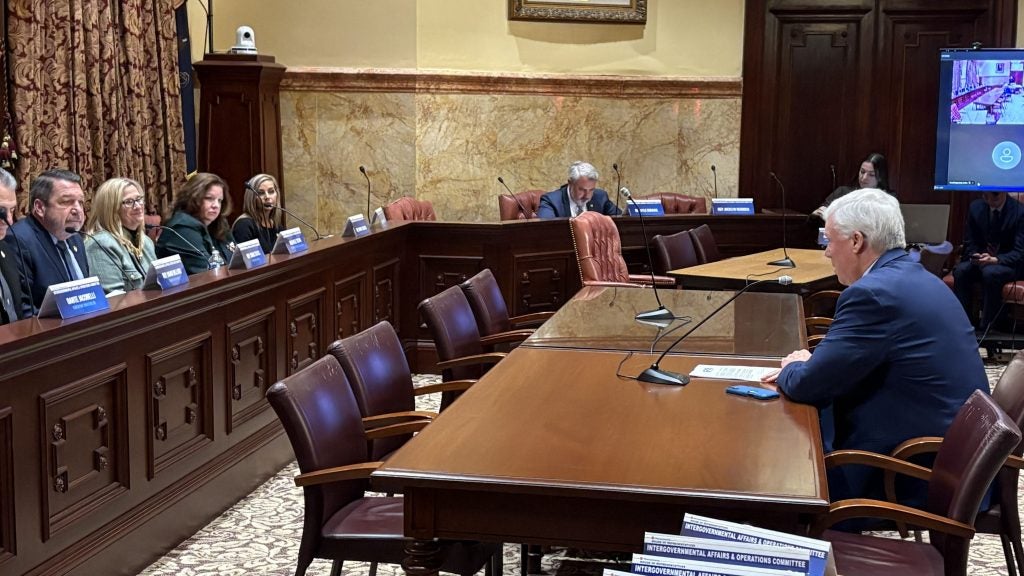
Harrisburg, PA – PAB President Joe Conti testified before the Pennsylvania House of Representatives Intergovernmental Affairs and Operations Committee on Wednesday, April 29th, concerning three proposed pieces of legislation that would remove the need to change the clocks twice a year, either by staying on Standard or Daylight Savings Time. The position of the PAB, which is echoed by the NAB, is that a patchwork approach to change the time standards state-by-state would be an untenable solution as it pertains to broadcast. In testimony submitted to the committee, Conti said, "as stated by NAB, 'broadcasters oppose state-specific time changes that would undermine the ability to deliver news, weather, security alerts and entertainment programs at our audiences’ desired time.' The NAB also points out the change could hinder the ability of some radio stations, especially AM radio, to broadcast at all, without violating FCC regulations." Conti also pointed out that in Pennsylvania, many demographic market areas extend over state lines into neighboring states. Delaware passed a bill in 2019 that would adopt year-round Daylight Savings Time on the condition that Pennsylvania, New Jersey, and Maryland enact similar changes to prevent regional disparities. The PAB urged the committee to consider the unintended harm to broadcast audiences and reiterated a preference for a national solution for time standards.

How to Become a Radio Broadcaster in Harrisburg, PA

Embarking on a career as a radio broadcaster in Harrisburg, PA, can be an exciting journey filled with opportunities to share stories, entertain, and inform the public. Whether you're drawn to the dynamic environment of live radio or the technical aspects behind the scenes, Harrisburg offers a range of resources and pathways to enter this vibrant industry. Here’s a comprehensive guide to help you get started. Understanding the Role of a Radio Broadcaster A radio broadcaster wears many hats. From presenting music and interviewing guests to reporting news and managing technical equipment, broadcasters must be versatile and adaptable. Success in this field requires strong communication skills, creativity, and a passion for engaging with audiences. Educational Pathways Local Institutions Offering Broadcasting Programs Harrisburg is home to several institutions providing education and training in broadcasting. Consider enrolling in programs at: Susquehanna University: Offers degrees in Broadcasting and Communication Arts, providing a solid foundation in media production and journalism. Penn State’s Bellisario College of Communications: Known for its comprehensive journalism programs, it helps students build critical skills in media production and communications. Shippensburg University: Offers a Bachelor of Science in Communication, Journalism, and Media, accredited by ACEJMC, equipping students with practical and theoretical knowledge. Essential Courses and Skills Pursuing a degree in broadcasting or related fields will equip you with essential skills such as: Public Speaking: Mastering vocal techniques and speech clarity. Audio Production: Understanding the technical aspects of radio production, including sound editing and equipment handling. Media Ethics: Learning the ethical standards and regulations in broadcasting. Gaining Practical Experience Internships Participating in internships is crucial for gaining hands-on experience. The Pennsylvania Association of Broadcasters (PAB) offers several internship opportunities in Harrisburg. These internships provide: Real-world Exposure: Work with local radio stations, learning the ropes from seasoned professionals. Networking Opportunities: Connect with industry veterans and peers, expanding your professional circle. Skill Development: Enhance your technical and creative skills, preparing you for a successful career. Student Resources The PAB is committed to supporting aspiring broadcasters by providing access to a wealth of resources, including: Technical Training: Learn to operate modern broadcasting equipment. FCC Compliance Education: Understand broadcasting regulations to ensure compliance. Mentorship Programs: Gain insights and guidance from experienced broadcasters. Building Your Career Finding Employment Once you have the necessary education and experience, start looking for job opportunities. The PAB maintains a job board with listings for positions in Pennsylvania. Additionally, consider reaching out to local Harrisburg radio stations such as: The River 97.3 NewsRadio 580 WHP Real 99.3 These stations offer diverse roles that can help you develop your career further. Continuous Learning and Networking The broadcasting industry is continually evolving. Stay updated with the latest trends and technologies by attending workshops, webinars, and industry events. Networking with professionals in the field can also open doors to new opportunities and collaborations. Conclusion Starting a career as a radio broadcaster in Harrisburg, PA, is an exciting prospect with the right preparation and dedication. By leveraging local educational programs, gaining practical experience through internships, and utilizing resources offered by the PA Association of Broadcasters, you can build a successful and rewarding career in broadcasting. Ready to take the next step in your broadcasting journey? Contact the Pennsylvania Association of Broadcasters to learn more about our programs and resources tailored to aspiring broadcasters like you.

Luncheon

Excellence in Broadcasting Awards Photo Gallery 2026

On Friday, April 10, The Pennsylvania Association of Broadcasters presented its 2026 Awards for Excellence in Broadcasting at the Sheraton Harrisburg Hershey Hotel. More than 70 award winners were recognized and received their physical awards. PAB presented Broadcaster of the Year honors to Alex Holley and John Wilsbach, along with Hall of Fame inductees Bernie Prazenica and Jim Loftus..rl-gallery-item { width: 100%; } .rl-gallery-item a { display: block; width: 100%; aspect-ratio: 1 / 1; /* makes perfect squares — change if needed */ overflow: hidden; } .rl-gallery-item img { width: 100%; height: 100%; object-fit: cover; /* THIS is the magic */ }

Understanding the Dynamics: NAB vs. FCC Explained

The relationship between the National Association of Broadcasters (NAB) and the Federal Communications Commission (FCC) is a complex dance of advocacy and regulation. For broadcasters in Pennsylvania, especially those in Harrisburg, understanding this dynamic is crucial. This blog delves into the fundamental roles of these two entities, current hot topics, and the specific impacts on local broadcasters. The NAB and FCC: Roles and Responsibilities National Association of Broadcasters (NAB) The NAB serves as the voice for America's radio and television broadcasters. As a trade association, its primary functions include advocacy, lobbying, and providing educational resources to its members. The NAB strives to influence legislative and regulatory policies to favor the broadcasting industry, ensuring that the voices of local broadcasters are heard in Washington, D.C. Federal Communications Commission (FCC) On the other hand, the FCC is a regulatory body that oversees interstate and international communications. Its responsibilities include licensing radio and TV stations, ensuring that broadcasters comply with established rules, and safeguarding public interest. The FCC's regulatory framework is designed to ensure fair competition and protect consumers. Current Hot Topics: NAB vs. FCC in 2025 Media Ownership Rules One of the most contentious issues between the NAB and FCC is media ownership rules. The NAB is pushing for the FCC to modernize these rules to reflect the current media landscape. They argue that outdated restrictions hinder broadcasters' ability to compete with digital and streaming platforms. The FCC, however, maintains certain caps to prevent media monopolies and ensure diverse viewpoints. ATSC 3.0 Transition The transition to ATSC 3.0, or NEXTGEN TV, is another critical area of focus. This new broadcasting standard allows for better picture quality and interactive features. The NAB is advocating for a nationwide transition plan to expedite the rollout, while the FCC is deliberating on the best approach to implement these changes. AI in Broadcasting The rise of artificial intelligence in broadcasting, particularly in political advertising, has sparked debates over disclosure rules. The FCC has proposed regulations to ensure transparency of AI-generated content. The NAB, however, argues that these rules need revision to avoid stifling creativity and innovation in the industry. Spectrum Issues and Regulatory Fees Spectrum allocation and regulatory fees continue to be a point of contention. The NAB argues that broadcasters should not bear the brunt of regulatory fees that could impact their operational capacities. The FCC, tasked with managing spectrum for public use, must balance these financial aspects with industry growth. Impact on Pennsylvania and Harrisburg Broadcasters For broadcasters in Harrisburg and across Pennsylvania, these national issues have local implications. The NAB's advocacy efforts aim to protect local broadcasters from regulatory overreach that could limit their growth and innovation opportunities. The FCC's decisions on media ownership and spectrum allocation directly impact the operational landscape for these stations. Local broadcasters must stay informed about these developments to adapt and thrive in an evolving media environment. Whether it's embracing new technologies like ATSC 3.0 or navigating regulatory frameworks, understanding the NAB-FCC dynamic is essential. Conclusion The ongoing dialogue between the NAB and FCC shapes the future of broadcasting in the United States. For the Pennsylvania Association of Broadcasters and its members, staying engaged with these discussions is crucial. By understanding the roles, challenges, and opportunities presented by these two entities, local broadcasters can better advocate for their interests and continue to serve their communities effectively. For more information on how these issues impact broadcasters in Harrisburg, visit the PA Association of Broadcasters' contact page.

Paul Van Osdol

WTAE Action News 4’s Paul Van Osdol to Retire

Pittsburgh, PA – After 26 years of distinguished service at WTAE, Investigative Reporter Paul Van Osdol will retire at the end of the month, concluding a remarkable career defined by award-winning journalism, meaningful investigations, and a lasting impact on the Pittsburgh community. Van Osdol joined WTAE in 1999 and quickly became one of the newsroom’s most trusted and respected journalists. “Over the course of Paul’s career, he played a leading role in major coverage that informed viewers, drove accountability, and made a difference in the lives of Western Pennsylvania families,” said WTAE President & General Manager Charles W. Wolfertz III. Among his most notable work was WTAE’s investigation into fire response times, which earned the station a prestigious George Foster Peabody Award in 2015. His reporting also included “Drilling Down,” an investigative series that exposed the impact of the natural gas drilling boom on the environment and local families; “Concussions and Our Kids,” a 2013 Chronicle that examined the risks of youth head injuries; and coverage of child abuse deaths, which earned a Regional Edward R. Murrow Award in 2018. “Paul has been a tremendous journalist, teammate, and mentor,” said WTAE News Director Baylor Long. “Whether he was leading a major investigation, digging through complicated records, or helping a colleague make sense of a difficult story, Paul always brought intelligence, integrity, and heart to the job. “Working at WTAE has been one of the great honors of my life,” said Paul Van Osdol. “I’ve had the privilege of telling stories that mattered, working alongside incredibly talented journalists, and serving a community that values strong local news. I’m proud of what we’ve accomplished together.” Van Osdol’s final day at WTAE will be Wednesday, March 25.

2026 PAB Awards

2026 PAB Awards For Excellence In Broadcasting

For Immediate Release: March 16, 2026 Alex Holley and John Wilsbach to receive Broadcaster of the Year honors; Bernie Prazenica and Jim Loftus will be inducted into PAB Hall of Fame; 74 Excellence in Broadcasting awards to be distributed to stations throughout the commonwealth. HARRISBURG, PA – On Friday, April 10, The Pennsylvania Association of Broadcasters will present its 2026 Awards for Excellence in Broadcasting at the Sheraton Harrisburg Hershey Hotel. More than 70 award winners will be recognized and receive their physical award. PAB will present Broadcaster of the Year honors to Alex Holley and John Wilsbach, along with Hall of Fame inductees Bernie Prazenica and Jim Loftus. “2026 is bringing another year of exceptional award and honorees for this year’s PAB broadcasting awards.” said Joe Conti, President of the PAB. “This annual event helps to give recognition to our members for their powerful and impactful work within Pennsylvania. We couldn’t be more excited to honor our 74 awardees, as well as our broadcaster of the year and hall of fame inductees. We are honored to continue this event highlighting the spectacular work within the broadcasting community in Pennsylvania.” The annual event recognizes and celebrates the staff and on-air talent of Pennsylvania broadcast television and radio stations. PAB Awards are presented in various categories including “Outstanding Local Radio Newscast”, “Outstanding Use of Digital Media”, and “Outstanding Television Station Marketing & Promos”. This year, 403 entries were received across 20 different categories, and they were judged by the Tennessee Association of Broadcasters. The PAB will present 74 awards at the annual luncheon. PAB will induct Bernie Prazenica (WPVI-TV) into the TV Hall of Fame and Jim Loftus (WBEB-FM/CBS Radio) into the Radio Hall of Fame. The Radio Broadcaster of the Year is John Wilsbach (WMSS/LVC/Harrisburg Heat/Cumulus Media) and the Television Broadcaster of the Year is Alex Holley (WTXF-TV). The awards presentations also include the Broadcast Now program, which awards teams from local high schools for producing informative videos about careers in the broadcast industry. Broadcaster of the Year Bios: Alex Holley has made a lasting impact on the broadcasting industry across the East Coast and Mid-West throughout her time as anchor, reporter, and producer. Starting her career, Alex began in Columbia, Missouri working as a reporter and producer for KOMU-TV. After her time in Missouri, Holley moved to Myrtle Beach, South Carolina working during morning news programs at WMBF-TV’s. In 2014, Alex came to Philadelphia, now her current home, joining the FOX29 Team as co-host of “Good Day Philadelphia”. Throughout her time in Philadelphia, Holley has been awarded multiple accolades and opportunities including her own program through FOX29, “Alex Around Town”, highlighting the popular places and events occurring in and around the City of Philadelphia. In 2015 she was honored as a nominee for the Emmy Awards for her converge of Pope Francis’ famous visit to Philadelphia for the World Meeting of Families. Her enthusiasm, personality, and hard work landed her as Philadelphia Magazine’s 2016 “Best TV Personality”. Holley has and continues to bring exemplary broadcasting to the Philadelphia area, leaving a long-lasting impact on Philadelphia for the past 12 years, and her continued work in the future. John Wilsbach has spent almost his entire life in the world of broadcasting. Starting from a young age, Wilsbach was involved in his school and district’s radio program. After high school and his time in the Army National Guard, he spent his free time during college working for WOYK 1350 AM locally in York. From there John worked for various radio stations covering local sports in Pennsylvania. Most recently today Wilsbach voice is heard on 8 different stations across Central Pennsylvania with his well-known traffic reports. Outside of being on the radio, John has also made an impact locally on students in broadcasting. He still produces the local Middletown Area School District WMSS radio show, helping to teach students the ins and outs of broadcasting. Throughout his entire career he has had the honor of receiving multiple PAB awards for his work in sportscasting as well as been inducted into the PA Sports Hall of Fame of the Capital Area Chapter. Hall of Fame Bios: For more than 45 years, Bernie Prazenica has spent his television career working at multiple stations and leaving a lasting impact across the east coast. Starting his career as an account executive for WPTT-TV in Pittsburgh, then moving on to WXEX-TV out of Richmond, VA, Bernie finally then made his way back home to Philadelphia working for WPVI-TV and ABC. During his time with ABC, he became the President and General Manager at the local Raleigh, NC station, helping bring different innovations to the market including the first street level studio in the market and brought a new 10pm news program to Raleigh. Once back in Philadelphia Prazenica became President and General Manager of 6ABC Philadelphia from 2002-2026, helping to oversee all aspects of 6ABC including its website, app, and streaming services. He has previously received the 2009 Lew Klein Alumni in the Media Award, as well as being inducted into the Philly Ad Club Hall of Fame. Bernie has given his time back to the Philadelphia community, serving on multiple boards including the Children’s Hospital of Philadelphia Corporate Council, The Greater Philadelphia Chamber of Commerce Executive Committee, and The City Avenue Special Services District. Jim Loftus has spent almost 50 years in the radio world, have previously served lengthy terms as retired CEO of Times-Shamrock Communications and former COO of 7 Mountains Media. During his time as COO of 7 Mountains Media, he helped operate 150 radio signals across 14 broadcasting markets in Pennsylvania and New York. In 2015, Loftus made his way to Philadelphia becoming the President and CEO of WBEB-FM (B101) Philadelphia, as well as spending well over 10 years holding the title of Vice-President at CBS Radio. Currently, Jim serves on the board of St. Mary’s Villa Senior Care, as well as on the PAB board. He helped teach the next generation of broadcasters at Temple University for 16 years, leading to his induction into the Philadelphia Broadcast Pioneers Hall of Fame in 2016. About the PAB: The Pennsylvania Association of Broadcasters endeavors to promote collaboration between radio and television broadcast station owners, managers and staff across the Commonwealth. We assist our member stations in serving their communities, audiences and advertisers through FCC licensed free, over-the-air broadcast program operations.

PAB Awards: Broadcasters of the Year, Hall of Fame Honorees 2026

Broadcaster of the Year: Radio – John Wilsbach John Wilsbach started in broadcasting at the age of 13 at the Middletown Area School District FM radio station WMSS in 1978. Wilsbach joined the PA Army National Guard after graduation and attended Harrisburg Area Community College, while starting his radio career at WOYK 1350AM in York. After a 3 year stint with WSBA, he found work with Radio Pennsylvania Sports and WINK 104 in Harrisburg doing sports. During this time, he was also the Assistant GM of WMSS for the school district and became the play-by-play voice of the Harrisburg Heat pro indoor soccer team in 1991. In 1992, he took the reins as General Manager of WMSS and the full-time Traffic Announcer duties at WINK 104 in 1995. Today, he is heard on 8 radio stations throughout Central PA during morning and afternoon drive. He continues to announce the Heat on radio, TV, internet and SiriusXM. He has aired over 600 Heat games, over 1000 Middletown football and basketball games. He’s also been the Voice of Lebanon Valley College football and basketball for the past 20 years. He was also the voice of the Philadelphia Kixx MISL team during their 2007 championship and also the regular fill-in for the Hershey Bears during the 2006 Championship Season. Wilsbach still finds time to DJ a popular All-Oldies 50’s & 60’s show every Saturday on WMSS. He was inducted into the Capital Area Chapter of the PA Sports Hall of Fame in 2022 and the Harrisburg Heat Hall of Fame in 2023. Broadcaster of the Year: Television – Alex Holley Alex Holley joined the FOX 29 News team in the summer of 2014 as co-host of “Good Day Philadelphia.” Her signature segment, “Alex Around Town,” highlights popular and undiscovered places and events happening in the viewing area. Alex moved to Philly from Myrtle Beach, South Carolina, where she was a reporter and fill-in anchor for WMBF-TV’s morning news programs. Prior to that, she worked as an anchor, reporter, and producer at KOMU-TV in Columbia, Missouri. Alex anchored the innovative multi-source news website, Newsy.com, and is featured in the digital journalism display in the Newseum in Washington, D.C. Since moving to Philadelphia, her work has garnered many awards, including a 2015 Emmy Award nomination for coverage of Pope Francis’ visit to Philadelphia. Philadelphia Magazine’s 2016 “Best of Philly” issue described her as ‘smart, funny and sassy’ in naming her “Best TV Personality,” an honor also bestowed on her in 2016 by the nation’s oldest society of professional journalists, The Philadelphia Pen & Pencil Club. That same year she was identified by NV (New Vision in Business) magazine as one of its “Movers & Shakers.” A proud graduate of the University of Missouri, Alex carried a double minor in Sociology and Spanish. She was voted Mizzou’s Homecoming Queen and honored as a Mizzou39 member. She created a community service program for students called “SWIPES Make a Difference,” which continues to help college students donate unused meal plans to those in need in local communities. A third-generation member of Alpha Kappa Alpha Sorority, Inc. Omega Omega Chapter, Alex is very popular in the local non-profit community where she continues the spirit of service to volunteer with many charitable organizations in the viewing area. She is also a member of the National Association of Black Journalists. One of her favorite hobbies is travel. Alex has explored more than twelve different countries, and is proficient in Spanish, having studied at the Universidad de Salamanca at age 13. She believes this global exposure helps add a versatile dimension to her work, as she uses her knowledge of different places to enhance the perspectives of her stories. TV Hall Of Fame – Bernie Prazenica Bernie Prazenica served as President and General Manager of WPVI-TV/6abc in Philadelphia from 2002 – 2026. The station is part of the Walt Disney Company in the country’s 5th largest television market. WPVI-TV is nationally recognized as one of the preeminent stations in news, local programming, and community involvement, with a ratings dominance that spans over four decades. WPVI-TV completed construction of a state of the art, 110,000 sq. ft, all digital facility, next to its previous home on City and Monument Avenues in 2009. Prazenica also oversaw 6abc.com and its mobile applications, two digital channels, and 6abc Philadelphia – the stations 24/7 stream. The station’s website, apps, and stream are all among the market’s most popular. Bernie’s career in television spans 45+ years and a number of stations and markets. WPTT-TV in Pittsburgh was the first stop as an Account Executive. Richmond, Virginia’s WXEX-TV quickly followed, then back to his college town of Philadelphia to begin a long stand with WPVI-TV and ABC. After WPVI-TV’s owner, Capital Cities Communications, acquired the ABC Television Network, Prazenica joined ABC National TV Sales, representing all the ABC Owned Stations in the Mid-Atlantic region. Management of the Philadelphia office soon followed. Bernie was promoted to WPVI-TV’s Director of Sales in 1994, and in 2002 accepted the position of President and General Manager at ABC’s owned station in Raleigh, North Carolina. In Raleigh, Bernie guided WTVD in construction of the market’s first street level studio, started a 10PM News, and brought a new commitment to local programming. When Bernie returned to Philadelphia, he continued a long tradition of WPVI-TV community involvement. He served on many boards including, The Pennsylvania Visitors and Convention Bureau, Pennsylvania Association of Broadcasters, City Avenue Special Services District, The Greater Philadelphia Chamber of Commerce Executive Committee, and the Children’s Hospital of Philadelphia’s Corporate Council. He still serves with Temple University’s Klein College Board of Advisors, Castleman’s Disease Collaborative Network Board of Advisors, and the Police Athletic League, where he also served time as Chairman. Bernie is a proud recipient of the Lew Klein Alumni in the Media Award in 2009 and Temple University’s Gallery of Success recognition from the Klein School of Media and Communications. Bernie was named to the Philly Ad Club’s Hall of Fame in 2019 and awarded the Philadelphia Police Athletic League’s prestigious PAL Award in 2020. Bernie is a proud cum laude graduate of Temple University with a B.A. in Communications, Radio-TV-Film. He lives in Newtown Square, Pennsylvania with his wife, Patty, and has two children, Caitlin and Michael, and three grandchildren, Amelia, David, and Alan. Radio Hall of Fame – Jim Loftus Jim Loftus began his career in radio as an on-air personality in Northeastern PA in 1977. He is the retired CEO of Times-Shamrock Communications, based in Scranton. They own radio stations in Scranton/Wilkes-Barre, Baltimore, and Milwaukee, and Shamrock Outdoor in NEPA. Prior to that he was the COO of 7 Mountains Media, operating over 150 radio signals in 14 markets across PA and NY. In 2015 he became the President and CEO at WBEB- B101/Philadelphia. Jim spent over 10 years as a Vice-President with CBS Radio in Philadelphia, serving as the General Manager of WOGL, WYSP, and as Director of Sales for their six station cluster and CBS Philly.com. For nine years he was Chief Operating Officer of Times-Shamrock Communications. Earlier in his career Jim was the VP/GM for Susquehanna Radio’s five stations in Scranton/Wilkes-Barre and the Director of Sales at Power 99 FM/ WUSL and Famous 56/WFIL in Philadelphia. Jim is a former board member of the PAB, and a board member at St. Mary’s Villa Senior Care Campus in Elmhurst, PA. He taught communications at Temple University for 16 years. In 2016, he was inducted into the Philadelphia Broadcast Pioneer’s Hall of Fame. Jim is a 1981 graduate of Marywood College with a degree in Communication Arts. He and his wife Renee have an adult daughter, Riley, and reside at Moosic Lakes in NEPA.

WTAE CHANNEL 4 ANNOUNCES NEW ANCHOR ASSIGNMENTS

Elena LaQuatra named Co-Anchor for Pittsburgh’s Action News 4 This Morning starting March 2 (Pittsburgh, PA. February 18, 2026) – WTAE Channel 4 announced today that Elena LaQuatra has been promoted to co-anchor of Pittsburgh’s Action News 4 This Morning, weekdays from 4:30 – 7:00 a.m. She joins Janelle Hall and morning meteorologist Ashley Dougherty covering late breaking news, weather and stories that impact morning viewers. “Pittsburghers count on us to help them start their day informed and prepared, and Elena takes that responsibility to heart. Since 2021 our viewers have depended on Elena’s traffic reports to navigate their mornings. I look forward to seeing her strengthen the connection she has built with our audience,” said WTAE President & General Manager Charles W. Wolfertz III. The search for a new morning traffic anchor and noon news anchor is already underway. LaQuatra succeeds Michelle Wright, who is retiring at the end of February after 30 years with WTAE Channel 4. “I was born and raised in Pittsburgh, and this city shaped who I am,” said LaQuatra. “I’m incredibly excited to be joining Janelle on the news desk and to build on the legacy Michelle leaves behind, serving the community that has always been my home.” “It has been an honor to serve this community, and it means a lot to see someone as talented as Elena take the next step,” Wright said. “She is my colleague and friend, who is the same upbeat person you see on TV. Elena works hard and leads with her boundless energy—she is absolutely ready.” WTAE Channel 4 also announced Ryan Recker will shift his role to anchor Pittsburgh’s Action News 4 at 7p.m. on Cozi TV and contributing reports in the evening newscasts. “Ryan is a dynamic addition to our evening team,” said WTAE News Director Baylor Long. “He’s prepared to guide our viewers through everything from urgent breaking news to stories that bring our community together.”

Contact Us

Fill out this form below and we'll contact you shortly
*Required Fields